The pandemic had a dramatic impact on nearly every aspect of how business is conducted, 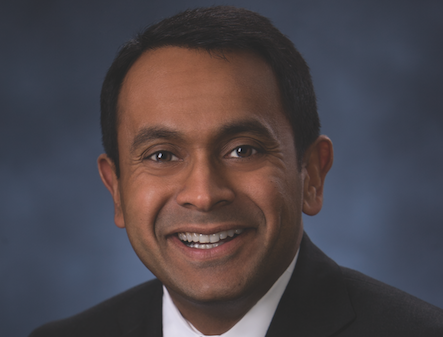 and many companies are awakening in the post-crisis haze to find their operating models have fundamentally changed beneath their feet. With transformation being the order of the day, unique challenges and opportunities have arisen, and companies are taking hard-learned lessons from 2020 and applying them to ensure their companies are positioned to thrive in a very different business climate. Mercer recently hired Ravin Jesuthasan to head up the HR consultancy's Transformation Center of Excellence, advising clients on HR model redesign, IT strategy and implementation, and much more. We caught up with Jesuthasan to talk about how things are changing and how companies can help ensure their successful navigation of this New Normal.
Consulting: What are some of the common areas of transformation that you find in clients are focusing on as business rebounds from the pandemic?
Jesuthasan: A couple of specific areas, one is around flexible working. We've had a number of organizations take some steps very quickly in 2020 who've been first movers who have stepped back and not just asked the question what do we need to do during the pandemic, but what do we need to do long-haul. Once people come back to the organization, how do we make flexibility a key part of our value proposition to employees? So we've seen some first movers in that space. There are a lot more that are asking the question now, because it is changing that workforce equation pretty significantly. It's changing the way people think about compensation. How do we pay for people now that we are operating in a much more national or international labor market? How do we use the new disciplines and muscles we've developed around working flexibly to ensure that we keep some of those gains going forward, while addressing some of the well-being and other issues that we know have cropped up as a result of people working from home?
Consulting: What are some of the major HR challenges to arise out of this new world of work?
Jesuthasan: I think it's about how do we create a culture of continuous engagement. How do we take those muscles that we built when we all came to one place and worked together to now having a much more nuanced model, where the organization gets to meet people where they are through a variety of different channels and mediums. It's accelerating something that we've been talking about in HR for a long time, which is this recognition that we need a much more personalized set of experiences where people get to engage with the organization on their terms. I think the pandemic has really driven that, because as someone once said, "We've all been in the same storm, but we're certainly not in the same boat."
Consulting: Do you expect the amount of the workforce doing their jobs remotely will hold steady as we move further from peak pandemic or do you see the trend receding in time?
Jesuthasan: I think you're going to see a much greater variance in how companies think about where work is done, how it's done, when it's done, and who it's done by. Some of the work we've been doing with our clients is laying out many, many different options around who is eligible for full time remote work versus scheduled remote work versus ad hoc remote work. If you've got a sick child, for example, certain roles have been told in the past told that you can't step away from your work, it has to be scheduled and it has to be time off. Now, this pandemic has forced companies to sort of revisit some of that, to figure out how do we backfill in a way that allows someone to step away to deal with a sick child. And so I think you're going to see a lot more nuance in terms of how people engage with work.
Consulting: What are the big consulting opportunities you're seeing as workplaces undergo these transformations?
Jesuthasan: Firstly I think it's helping companies think about how to redesign work to inject more flexibility and increase the flexibility that's available to all segments of the population. I think that's one. I think the second is the usual change management challenges that come from any big transformation. Managers will have to get used to flexible work and different ways of working because of the pandemic and they haven't had a choice. Can we keep them there when they do have a choice going forward, how do we preserve some of those gains, and how do we change behavior? I think those are significant opportunities just specifically around flexible working.
Consulting: Is there a risk of some companies attempting to bite off too much too fast when it comes to these transformation efforts? Is a measured approach the best approach?
Jesuthasan: Whether it's digitalization, whether it's new ways of working, whether it's even a merger, I personally have seen organizations take an agile, sort of experimentation/fail-fast approach be the ones who are typically most successful because it minimizes the risk of biting off too big a chunk, causing disruption to the core operation, versus experimenting quickly, seeing what works, recalibrating, and then rolling it out more broadly.
Consulting: What will companies who are successful in their transformation efforts do differently than companies that will struggle?
Jesuthasan: I think the companies that succeed are going to be the ones who have this agile mindset, who are willing to fail fast, willing to learn, the ones who are able to kind of transcend their legacy who are not going to be held back by 'the way they've always done things,' or because they've invested in something and can't do something else because they need to earn a return on that investment. So the companies who have built in this, not so much change mindset, but this mindset of continuous transformation I think are going to be the ones who are most prepared, especially when it comes to transformation, whether it's digital transformation efforts or just from the inside-out organizational revamps.
© Arc, All Rights Reserved. Request academic re-use from www.copyright.com. All other uses, submit a request to TMSalesOperations@arc-network.com. For more information visit Asset & Logo Licensing.