2020 was a challenging year on many fronts. The coronavirus pandemic crisis took a back seat in the 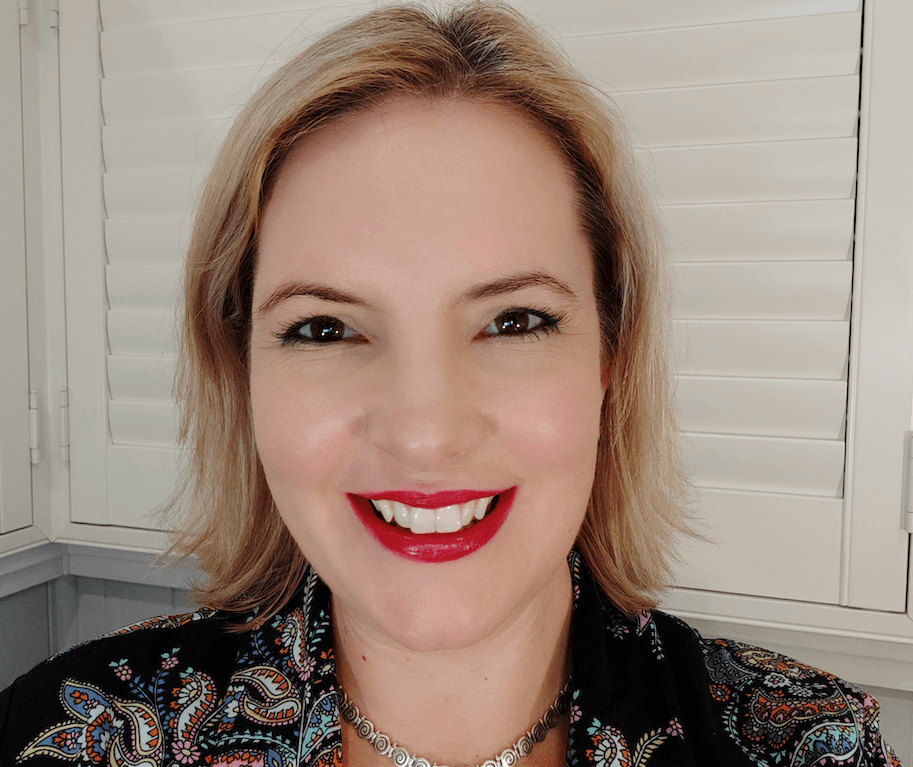 news cycle over the summer as the U.S. faced a generational reckoning on systemic racism and the many ways the status quo is unfair, or even dangerous, to communities of color. As part of this reckoning, companies have doubled down on efforts to foster diverse and inclusive workplaces. Candice Eaton-Gaul was recently named Diversity & Inclusion Leader at RSM, charged with implementing strategies that aim to attract, develop, and retain a diverse workforce at the firm. Consulting recently caught up with Eaton-Gaul to talk about her new role, the importance of diversity and inclusion in the profession, and how companies are working to right past wrongs and create a more equitable future for all.
Consulting: What will your primary focus be in your new role as D&I leader at RSM?
Eaton-Gaul: As the newly appointed leader for D&I, my overarching priority is to build on the good work that has already been done by RSM Member Firms. My priorities are to foster greater connectivity between our Member Firms and our people, to increase cross-cultural understanding, to increase awareness of unconscious bias and help to create an even more effective platform across RSM for encouraging diverse talent, ideas and an open, positive and responsive business environment.
Consulting: Talk about the importance of a diverse workforce, particularly as it relates to consulting firms.
Eaton-Gaul: Innovation and creativity are core to delivering effective consulting solutions. When clients encounter new business challenges, they turn to a consulting firm to consider the problems from many angles and bring fresh ideas and insights to find the most successful solutions. To be able to add the most value to clients, it is critical to be conscious of the benefit that a truly inclusive workforce brings. Diversity of thought comes from pooling different experiences, backgrounds, and opinions. When you have diversity of thought, you are more likely to have a workforce that proactively challenges the status quo and explores new ways to tackle known problems. It also creates a culture that is more adaptable, and open, to change. This is crucial for any business looking to thrive and meet new challenges, but particularly important if your people are consultants and expected to be the catalysts for creative thinking for other organisations as a fundamental part of their job.
At RSM we believe that focusing on D&I increases our employee engagement, fosters greater creativity in our people and leads to better decision making, all of which enhance our effectiveness as a client service team.
Consulting: What are some steps firms can take to ensure they're being inclusive in their hiring and promoting?
Eaton-Gaul: The first step should always be to understand the nature of bias and how bias may affect decision making. Bias is a natural part of human nature, but it is important to recognise that it exists, and understand how bias might be limiting thinking. If there is a lack of diversity in candidates presented for recruitment or promotion, start to ask why that is. Then take it a step further and ask what kind of candidates are missing, and why. In a nutshell, asking who is missing and why, can be a door opener to explore where there are unintentional barriers to creating a diverse and inclusive workforce. It also helps to assess whether candidates are being either favoured, or subjected to more rigorous criteria, than their counterparts.
Showcasing the advantages of a more diverse workforce can help to make the case for change and establish buy-in, so that policies can be introduced effectively. Creating a company culture where differences are not only respected but actively embraced ensures tangible inclusivity from the outset.
For me, a truly inclusive workplace involves every leader and employee being a champion for diversity.
Consulting: What are some of the big challenges to ensuring a diverse and inclusive workforce?
Eaton-Gaul: I think the biggest challenge for many organisations is starting the conversation around diversity and inclusion in the first place. The next is to recognise that meaningful change does not happen overnight.
One of the most important aspects to address is measurement; to help understand the issues and complexities at play, to highlight areas for improvement, set goals and track progress against them. There are many ways to measure diversity – such as gender, race, ethnicity, nationality, educational attainment, age – and then track that data against key stages or processes such as recruitment, promotion and staff retention.
Measuring inclusion is a different matter. It is a real challenge because it is subjective and changeable. The feeling of belonging takes time to build and can be broken in a moment. Measuring something as flexible and fragile as inclusion can only ever be an indication of what was felt at a particular moment. Futurist, Graeme Codrington, uses a wonderful analogy: he says 'ensuring diversity is inviting different people to the party, but inclusion is when they all feel comfortable enough to dance.' That feeling of comfort, belonging and inclusion is down to each individual and can change from one point in time to another.
A purposeful, intentional and collaborative approach is required to instill genuine progress. Successful D&I cannot be a top-down process, everyone within the business must be an advocate in their own right.
Consulting: How have the events of the past year, and America's national reckoning on race, brought the importance of diversity and inclusion to the forefront?
Eaton-Gaul: Social movements are important agents of change and, throughout history, have helped to shape the world we live in. The events of this year have captured the world's attention around the issue of inequality, tabled the discussion, and will have helped to accelerate change. Corporate entities have seen that there is a need to address these issues, to be more transparent in their diversity and inclusion initiatives and to be active participants in affecting change.
The pandemic has also played an important role. The impact of Covid-19 has created a sense of urgency within organisations to stop, re-prioritise and re-evaluate all areas of the business. In a world that has been forced to embrace new ways of working almost overnight, this has created the right environment for corporate introspection and the ideal opportunity for organisations to reflect on their D&I. The speed of the pandemic has exacerbated the need for lateral thinking and new approaches to tried and tested methodologies.
Organisations which proactively aim to listen to different perspectives, encourage team diversity and are comfortable with creativity and change have proved to be the most effective. This has helped to highlight the power of D&I by recognising its value in terms of business performance.
© Arc, All Rights Reserved. Request academic re-use from www.copyright.com. All other uses, submit a request to TMSalesOperations@arc-network.com. For more information visit Asset & Logo Licensing.