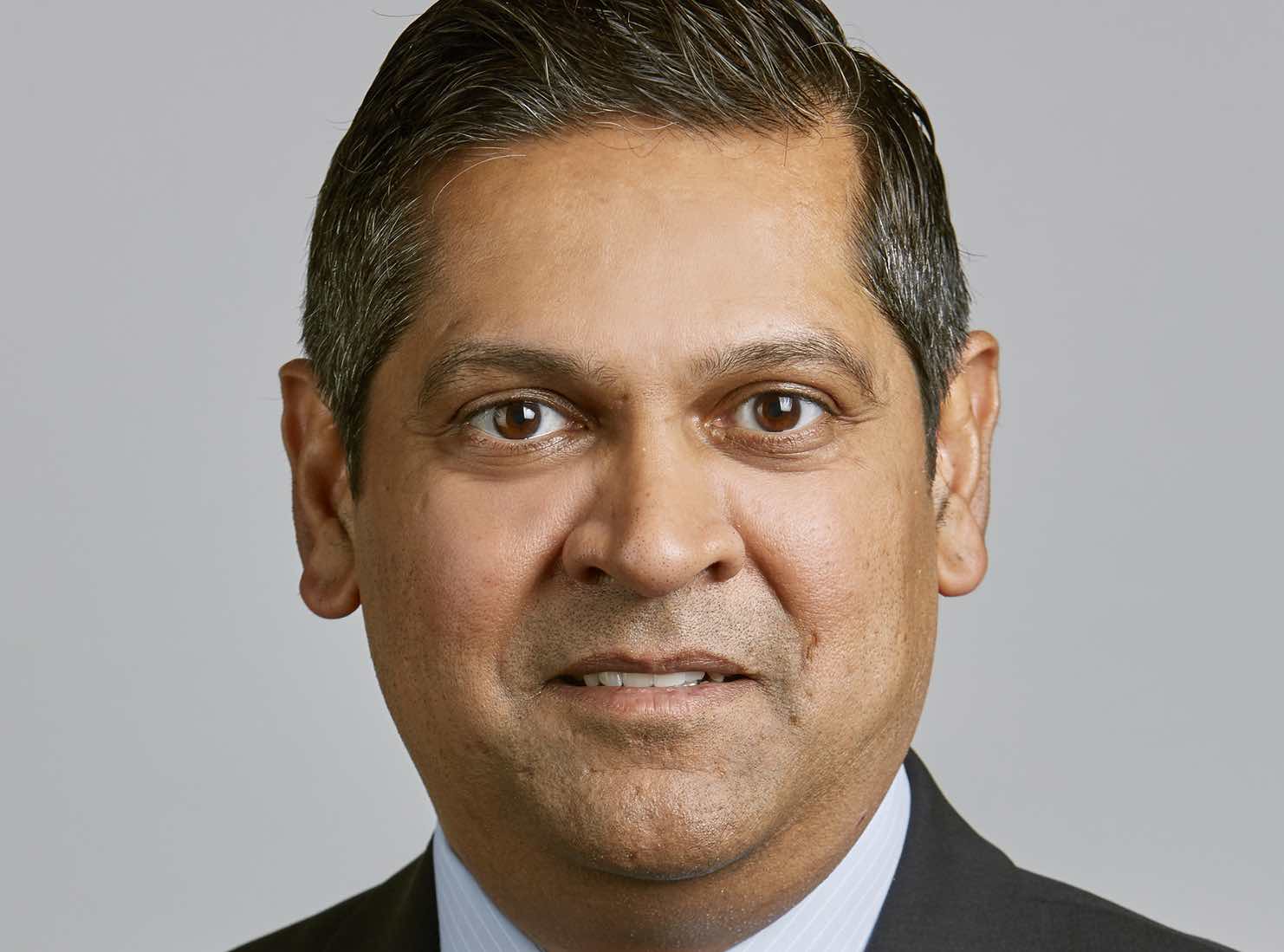
 According to PwC's recent AI Predictions survey, 77 percent of CEOs believe artificial intelligence and automation will increase vulnerability and disruption to the way they do business. But navigating the new landscape is a potential minefield where throwing money at the technology without a plan could result in costly mistakes. Integration of AI and semi-autonomous technologies into the workforce must be done judiciously to be successful. Consulting caught up with Kumar Krishnamurthy, leading practitioner in IT strategy for PwC Strategy&, to talk about how AI is transforming the workforce, how companies can adapt, and some pitfalls to avoid along the way.
Consulting: What surprised you most about the report?
Krishnamurthy: What was interesting is the rush to invest in AI in companies. It's literally the next new thing that companies are talking about these days. It's just not at the detail level, it's at the board level, it's at the executive level, and if you look at companies that are claiming they have AI and want to invest in AI, they're going to significantly take advantage of AI. This used to be big data 3 to 4 years ago, the language around town was big data, now it's AI. To me, that's profound. I also believe it's one of the few technologies that will have a significant impact on a business and how we deliver things and how we go about building products and services. To me that's an important outcome of the study.
Consulting: How will AI change the workforce?
Krishnamurthy: It's true the way the workforce operates will be fundamentally different, but I don't believe it's completely new. While it's gained prominence, while the economics of deployment have come down significantly, while the computing power and the scale of emerging technologies allows us to do things that were previously unfathomable or required a certain skill to do it, companies have been working through robotics and some level of intelligence in their business for a period of time. I think this is a step-change in that evolution that comes along with a whole host of corporate management practices that have to evolve, workforce practices that have to evolve, people skills and capabilities have to evolve. I think we're at the cusp of a natural period of change, whether that's an evolution or revolution.
Consulting: How will humans and AI work hand in hand?
Krishnamurthy: The way I approach things a little philosophically is, we've been a society that has continuously evolved. I'm sure when there were horse-drawn carriages, motorized vehicles were very disruptive and put a lot to people in the horse-drawn business out of jobs. But as a society we adapted, we learned how to create a new economy with the industrial revolution. I think it's the same concept that applies here. Yes, AI is going to be a significant disruptor to the way work is done today. We can choose to say it's going to displace a lot of people, I would be naive to say it's not going to displace a significant part of the workforce in what they do and how they do the job. But that's part of the business maturity cycle. We're still going to need people. Your investment of your workforce talent is going to be in building in areas where they can help you grow the company, grow the business, expand into new markets rather than having to deploy the workforce in an area that doesn't make sense. While it's certainly going to remove some jobs, there's going to be a creation of a whole new set of opportunities and jobs.
Consulting: How can organizations adapt to prepare themselves for the coming AI wave?
Krishnamurthy: There are two ways to pick this up. Do you believe this is going to be an evolution or a revolution? I believe this is going to be an evolution. It's not like you're going to wake up in 2 years, 5 years and everything around us will have changed so completely that we now have to adapt to a whole new world. This is going to be more evolutionary. As companies think about their evolutionary plan, you have to think about this in segments. Where are you going to make meaningful investments in automation, embedding artificial intelligence and semi-autonomous workforce into your environment? Allow the company to think through what it means to the transition of the workforce that exists. Are you going to plan for a systematic transition? Are you going to provide the learning opportunities? Are you going to use some of these folks in other parts of your business? If you think about an evolutionary process I think it's fair to expect that with some good thought process you can manage the transition cycle.
Consulting: What do you see as the biggest consulting opportunities that will emerge?
Krishnamurthy: First of all, the question about AI is where do you make the investment? Right now, from a cost-benefit perspective, the resource cost, while it's certainly coming down, it's still very high to get the right talent to help you scale up your AI capabilities. You could make the case that a company could be overspending. As you think about where to invest, you want to invest in areas that drive shareholder value. If you think about it and are able to identify opportunities to reduce bad costs, the errors that happen, the inefficiencies, the things that really don't add to the value and can cause embarrassment, that would be the natural point to start investing in some of these AI capabilities, and I think that's a good case for a consulting company to help.
© Arc, All Rights Reserved. Request academic re-use from www.copyright.com. All other uses, submit a request to TMSalesOperations@arc-network.com. For more information visit Asset & Logo Licensing.