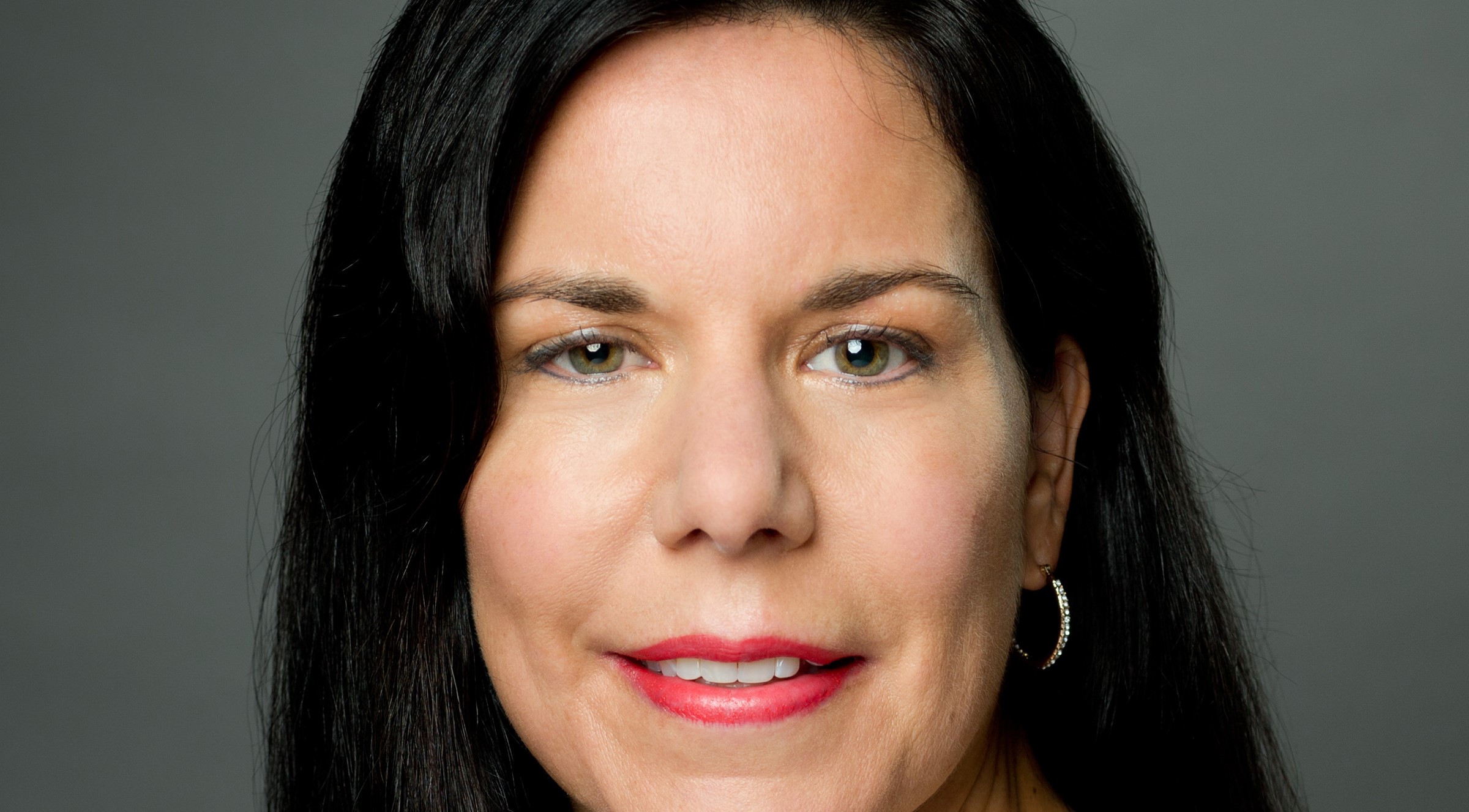
 Holly Paul. Chief Human Resources Officer, FTI Consulting
Global advisory firm FTI Consulting celebrated its 40th year in operation in 2022 and has seen significant and consistent domestic and international growth in recent years.
Human resources and its traditional role has evolved drastically in importance to organizational operations over the last decade. Effective talent management has become integral to efficiency, effectiveness and profitability and the role has become core to the C-suite.
Given FTI's longevity and accolades – recognition by various business publications including Consulting Magazine's "Best Firms to Work For" for its fourth consecutive year – we thought it appropriate to reach out to the Chief Human Resources Officer Holly Paul, to inquire about the first 40 years and what lies ahead for the firm from her unique perspective.
Consulting: As FTI Consulting marks its 40th anniversary this year, share the story of FTI and describe its growth, industry focus and journey to here and now.
Paul: We have come a long way in 40 years. FTI Consulting began as Forensic Technologies International, in a small warehouse in Annapolis, Maryland. It was co-founded by Dan Luczak and Joseph Reynolds, who revolutionized the presentation of technological courtroom evidence with computer models that help courtroom staff and jury members understand the technical merits of cases.
Since then, we have become a market-leading global consulting firm that is the trusted advisor to clients when they are facing their greatest opportunities and challenges. We serve a diverse group of clients, including Fortune 500 companies, FTSE 100 companies, global financial institutions, banks, law firms, private equity funds and local, state and national governments and agencies globally. We have evolved into a firm with five diverse yet complementary business segments — corporate finance and restructuring, forensic and litigation consulting, economic consulting, strategic communications and technology. This suite of services — with more than 7,500 professionals across 31 countries — is designed to assist clients across the business cycle, from proactive risk management to the ability to respond rapidly to unexpected crises and dynamic environments.
Consulting: What challenges do you see your clients facing, and how do you help them manage those issues?
Paul: There is a tremendous amount of disruption in the world today, from COVID-19 to war in Europe, an energy crisis, inflation, supply chain disruptions, climate change and energy transition, among others. The list goes on.
We are well-positioned to help clients here. We advise the energy sector on renewables and the energy transition. We assist retailers with performance improvement. We helped track down missing funds in the Madoff Ponzi scheme. We worked with New York City to help it procure PPE during the height of the COVID-19 pandemic in 2020. Our people are experts who have worked in the industries in which they are advising their clients, giving them firsthand insight into the challenges that our clients face. They work side-by-side with management teams of companies, leading law firms and government officials, which is experience you may not receive from other firms.
Consulting: FTI Consulting just crossed 7,500 employees in headcount. To what do you attribute that growth?
Paul: In the early part of its history, FTI Consulting was a company focused on acquisition-driven growth. Under the leadership of Steve Gunby, who joined us as President and Chief Executive Officer in 2014, the firm began to shift to an organic growth-driven strategy. This means that instead of growing through acquiring other firms, we would seek to attract, develop, retain and promote top talent.
We have seen that shift play out over the past eight years. Our headcount is up from more than 4,000 employees globally in 2014 – the vast majority of that as a result of our focus on organic growth.
This strategic transformation has really driven the biggest change for the HR function. We have built out our recruiting, talent development and diversity, inclusion and belonging functions to support our people and help them grow in their careers.
Consulting: How are you managing the growth at FTI Consulting from an HR, recruiting and talent development standpoint?
Paul: We have heavily invested in recruiting new talent, which resulted in high acceptance rates for experienced hires (86%) and campus hires (75%) in 2021, the most recent year for which we have complete data. We had more than 300 new graduates join us in the fall, which was a record for us.
Hiring great talent is just the beginning. We recognize the importance of integrating new talent into our organization quickly and seamlessly. We improved our onboarding processes to present a more consistent experience for new hires. We streamlined the preboarding process and launched an electronic onboarding checklist for new hires, which allowed them to easily complete training sessions and onboarding tasks while reducing the operational lift of onboarding professionals. We also implemented a standardized weekly orientation onboarding program in the Americas and EMEA, which introduces new hires to the firm in uniform manner. Early feedback revealed that 94% of new hires found the onboarding process helpful.
Once employees are onboard, developing their skills and supporting them throughout their career milestones are just as critical. We were thrilled to bring back our annual in-person Milestone Programs for newly hired and promoted professionals in 2022. These are tremendous opportunities for our people not only to learn the skills they need to succeed as they move through the organization, but also to network with peers and build connections that will enhance their professional and personal lives.
We also provide regular coaching sessions and self-guided professional development courses. In fact, with the rollout of a new platform in 2021, we saw e-learning training hours increase 106% over 2020. We believe this significant investment in our people is paying off. More than 1,250 FTI Consulting professionals were promoted in 2021, a record number for the firm.
Consulting: How would you describe the transformation in FTI Consulting's culture during your tenure?
Paul: The heart of our company is our people. We have made significant investments so that our employees feel heard, valued and supported, while maintaining and cultivating a culture of diversity, inclusion and belonging through numerous commitments, programs and employee resource groups.
Our culture continues to transform, as we pride ourselves on our commitment to listening and responding to employees' needs and perspectives. The cornerstone of our culture is supporting and developing our people in their careers, and we have built programs focused on fostering leadership, growth and development opportunities, continuous learning and individual skills development. We have also invested heavily in coaching and training, with each employee assigned a dedicated coach when they join for mentoring and support.
We continue to empower and inspire our employees to make an impact on the world more broadly through pro bono engagements, volunteering opportunities and employee matching to engage with causes that matter most of them. Since 2016, we have contributed over $11.8 million in pro bono services to support global charitable and community-based organizations.
Environmental, social and governance play an increasingly necessary role in operations (and service offerings). What are FTI Consulting's goals/plans relating to ESG?
Proactively identifying and addressing ESG risks and opportunities are important to sustaining our strong growth trajectory and maintaining our license to operate. Last year, we announced a commitment to achieve net-zero greenhouse gas emissions by 2030. We have a goal of reaching 165 female Senior Managing Directors by 2025, representing a 76% increase compared to 2020. We have ambitions to reach 120 historically underrepresented minority Senior Managing Directors by 2025, a 97% increase compared to 2020. We also aim to reach 50/50 gender-balanced hiring at the campus, graduate, consultant and senior consultant levels. We believe these goals will allow us to continue to attract, develop and promote the best professionals in the market.
Along with delivering on our ESG and sustainability commitments, we also help clients deliver on theirs. From materiality assessments and sustainability reporting to net-zero strategies, supply chain audits and ESG-related internal investigations, among many other offerings, our diverse group of experts guides our clients throughout their ESG journey to support a more sustainable and inclusive future for their organizations and the world more broadly.
Consulting: How about diversity, inclusion and belonging? What is FTI Consulting focused on in this space? How is FTI creating a culture of belonging or fostering a culture of belonging?
Paul: A culture of diversity, inclusion and belonging is fundamental to our core values. More diverse teams allow us to draw on unique viewpoints and experiences to deliver innovative solutions to our clients and the communities where we live and work.
Our senior leadership champions diversity, inclusion and belonging across all aspects of the business – from hiring to employee experience to client engagements. Our strategy is comprised of four pillars:
- Reinvigorate our efforts to support, promote and retain diverse talent
- Double-down on efforts to attract diverse talent
- Leverage our expertise to help the world more broadly through pro bono, charitable efforts and volunteering
- Keep the dialogue alive through employee resource groups, trainings and events
Like all professional services firms, we have more to do. We are proud, however, of what we have accomplished. We have 15% more female professionals in management roles compared to 2020. We have a 15% promotion rate for underrepresented minorities, compared to 19% for represented groups. We increased historically underrepresented minority Senior Managing Directors by 13% in 2021, up 97% compared to 2020. We remain committed to furthering our efforts to ensure we are a more diverse and inclusive workplace.
Consulting: We have seen a lot lately in the news about employees wanting to work for companies with a purpose. How is FTI Consulting addressing this?
Paul: We live our purpose through our values, and our impact goes beyond the value we deliver to our clients. It's also about how we leverage our unique and diverse expertise to benefit our employees, clients, communities and environment more broadly. We are empowering and inspiring our people to make their own impact through pro bono engagements, employee charitable gift matching, company-sponsored volunteering and helping the world more broadly. We contributed $4.3 million in pro bono services in 2021, our professionals volunteered more than 5,400 hours, and we supported more than 1,200 charitable programs. I'm proud of these efforts and am excited to see what we can achieve in the coming year.
Consulting: What are you seeing as trending challenges on the attraction/retention side of talent (for FTI and other professional services firms) today?
Paul: The COVID-19 pandemic and the "Great Resignation" certainly continue to impact professional services, as well as everyone else. The professional services sector is a competitive environment, and the talent market for the caliber of professionals we seek is incredibly tight. This is why we have been so focused on investing in our people's development. Our ability to achieve our growth aspirations is dependent on our ability to attract, promote and retain the best people.
Many of these external challenges are short-term. We have tried to take a medium- to long-term view when managing our business. Throughout the COVID-19 pandemic, we stayed the course and continued to both invest in professional development and attract hires. We are a people-focused business, and we will not run our business based on short-term factors. This allows us to attract great people and retain talent because we are focused on building a sustainable platform for long-term growth, irrespective of short-term headwinds.
Consulting: As you pass four decades of operations, what do you think the next 40 years holds for the firm?
Paul: I wish I had a crystal ball for that question, because I don't think the people who were here 40 years ago would have envisioned where we are now. We have aspirations to be the leading expert-driven consulting firm. Over any extended period, our businesses will continue to be vital growth engines that allow us to deliver on major assignments globally, make a difference for our clients, and provide stimulating careers and development opportunities for each of us. I am excited for what these next 40 years may bring.
Consulting: Thank you for taking the time to share your insights with us. We wish FTI the best in the coming years.
© Arc, All Rights Reserved. Request academic re-use from www.copyright.com. All other uses, submit a request to TMSalesOperations@arc-network.com. For more information visit Asset & Logo Licensing.