Liz DeVito of ALM Intelligence recently sat down with David Michels of Bain & Company to discuss how the firm is evolving its approach to change management consulting.
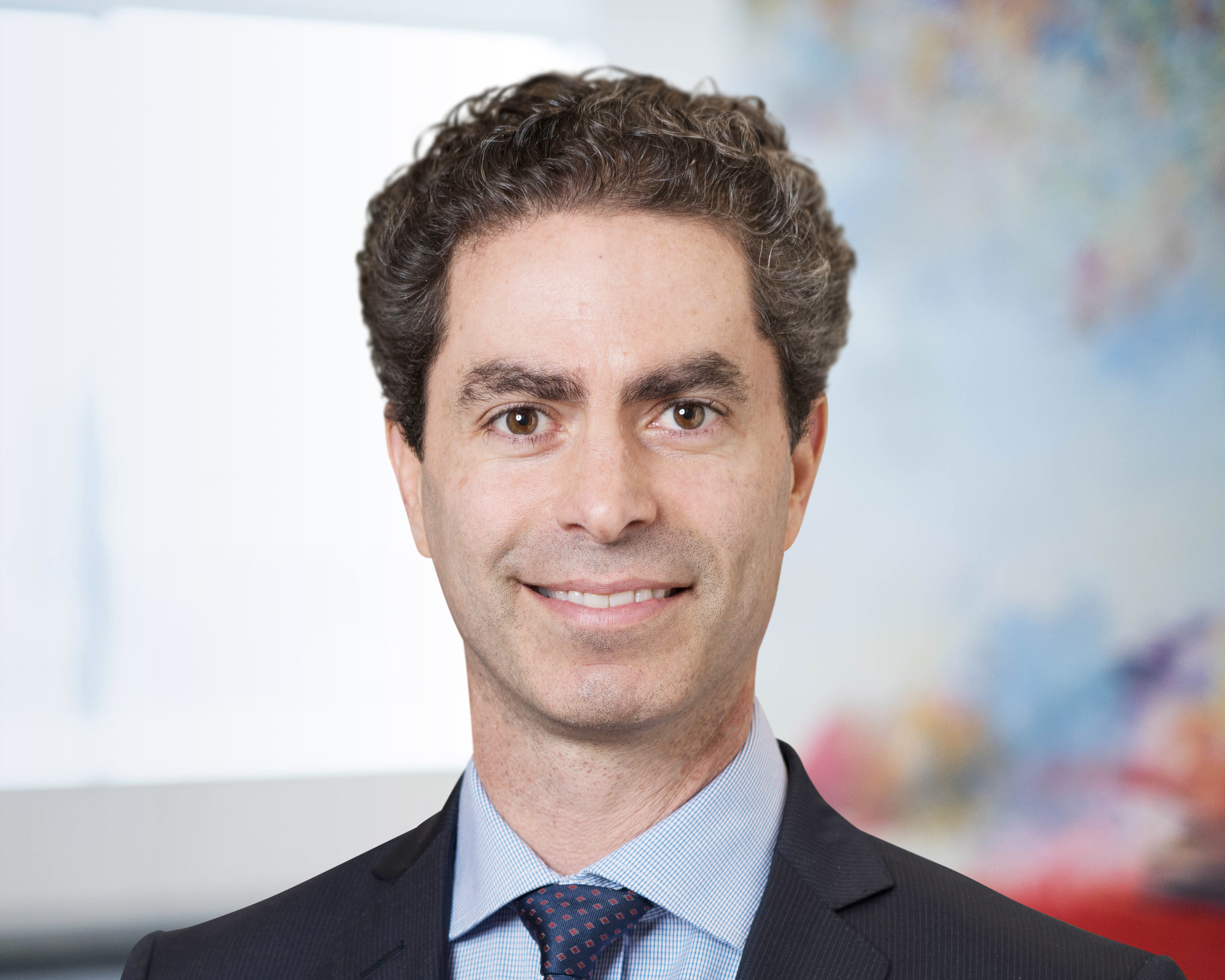
ALM: Bain was the first and for many years the only provider that integrated change management into its consulting value proposition and service delivery model. It's worked so well for so long. Why change now?
Michels: Results Delivery has been and always will be an essential component of every consulting engagement we do. As a methodology, Results Delivery has been instrumental in helping clients realize measurable results from their change programs. However, change is evolving in profound ways, most notably in that it is constant. Change is no longer a project with a defined start and end. It is continuous and non-linear, by which I mean that today's CEOs are leading organizations where multiple change initiatives are occurring simultaneously. Aligning multiple initiatives of differing complexity to achieve concrete business objectives is a significant challenge that has implications for any number of business practices, including how we use predictive analytics, develop leaders, and design an employee experience that improves business performance. When we looked at these trends, we realized that Bain needed to evolve its messaging and toolkit to 21st century management principles.
ALM: How has Bain translated this new perspective into service delivery?
Michels: We took our cues from the market. There is increasing interest from clients for the support that goes beyond defining change strategies and designing change programs towards building an organizational capability for change. Our perspective is that in today's business environment, change is the new superpower, and developing that superpower means increasing your organization's change metabolism. Our new approach, Results360, has been designed to do just that.
ALM: How does Results360 increase an organization's change metabolism?
Michels: We've leveraged the principles, tools, and techniques of Results Delivery to build additional capabilities that help clients through their implementation journey. Results360 is a comprehensive suite of integrated products, including digital tools, predictive analytics, capability building, and leadership development services. We've also curated a network of senior executives who can support Bain clients in particular situations where they have expertise.
ALM: Tell me about Results360's consulting approach.
Michels: We start by profiling the client's organizational readiness for change and what they need to do to improve their odds of succeeding. For this exercise, we developed the Change Power Index for ascertaining a company's change-ability relative to others in the market. There are 9 components that combine to define an archetype based on the answer set. The archetype model helps clients understand and focus on those areas they need to develop to improve their change metabolism. Much like our net promoter score (NPS), Change Power Index is an easy-to-use tool that provides a unifying language for talking about and measuring change. The richness comes in having a dialogue about the client's results against a larger sample and determining what to do about it.
ALM: How does Bain intend to differentiate Results360 in the competitive market?
Michels: That's a good question. Any consulting firm can develop new frameworks and digital tools, and many have invested in implementation capabilities, as well. We think Bain is different in two ways. The first is the level of integration. We've been in the business of change management since the firm was founded in 1973. We've always been about helping clients get results, and that mission is built into our cultural DNA. We're not interested in change for change's sake, we're interested in results. Secondly, we continuously monitor our own NPS and something we repeatedly hear from clients is that Bain has a very pragmatic, collaborative, and results-oriented way of working that proactively builds client capabilities along the journey. More importantly, they say we have a business owner mindset, caring about their organization's future as much as they do. That is something that will never change.
ALM: How are you seeing the landscape evolve for Change Management given the current COVID-19 crisis?
Michels: The waves of change that organizations were facing pre-Coronavirus were already unprecedented. Now it's clearly shifted into yet another gear, and it doesn't look like we'll be down-shifting any time soon. Many of our clients have moved quickly to stabilize and protect their businesses, employees, and customers, often using war room-type approaches. What we're seeing now is that many are beginning to also look ahead and plan for a very different future. They are thinking through all the levers that need to be pulled to recover and then retool for a new reality. The end result – change or risk eventual extinction. The companies most likely to emerge stronger will be those that understand that their institutional ability to change is a precious asset that needs investment, a source of real competitive advantage.
© Arc, All Rights Reserved. Request academic re-use from www.copyright.com. All other uses, submit a request to TMSalesOperations@arc-network.com. For more information visit Asset & Logo Licensing.