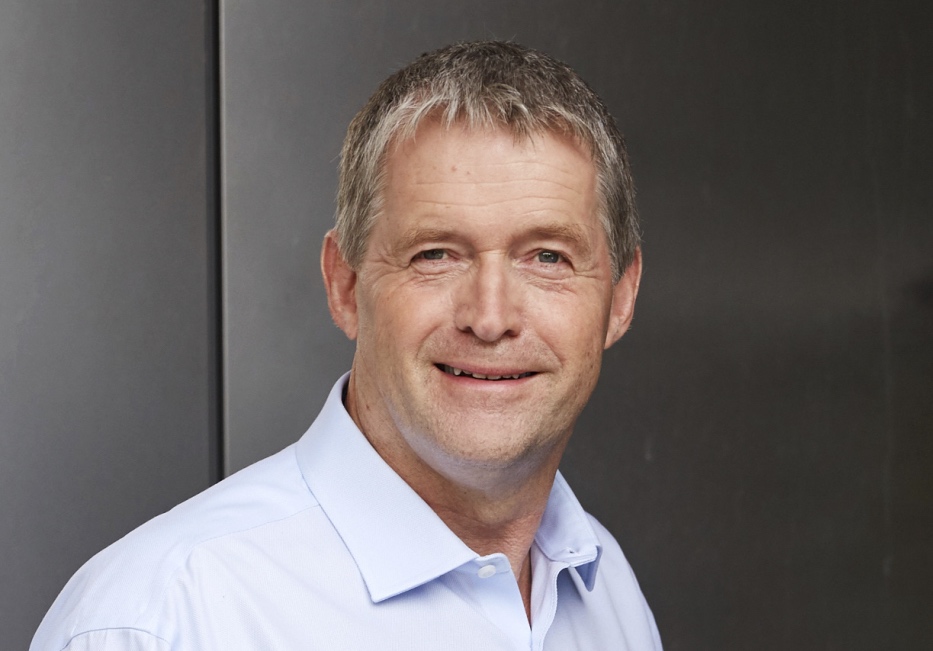
 As artificial intelligence technology matures, more and more companies are integrating it into the core of their business as a way to get the maximum utility out of their massive troves of data. A major way this is happening is through the creation of "smart" platforms, which make use of artificial intelligence that uses that data to help improve processes, workflows, and even transform entire organizations. Consulting caught up with Mark Foster, Senior Vice President of IBM Global Business Services, to talk about the rise of the Cognitive Enterprise and how it's changing the way companies operate.
Consulting: How would you define the Learning Enterprise and Cognitive Enterprise?
Foster: We think it's the next evolution after the digital enterprise. The digital enterprise was one that was transformed from the outside-in with the pervasiveness of the web. Cognitive enterprise is transformed inside-out with the pervasiveness of data. The idea is just as the internet transformed business architectures, we're in a world where our businesses have become more and more digital and operating models are more and more enabled and shaped by that. They're going to be similarly enabled and dramatically changed by what we can do in a cognitive era by working on our data, putting our data we have to work on differentiated processes and workflows in our business that then enables our organizations and teams as the data works through AI and automation to make the processes better and better.
Consulting: How will the cognitive enterprise be leveraged?
Foster: These cognitive enterprises will be platform-centric, which means, we believe, the underlying picture when you look underneath the covers of one of these enterprises will be that they will have selected one or a few platforms that will be the basis of durable differentiation in the organization. Those platforms will be how they will bring together data, workflows and people to go after a particular source of differentiation. Maybe I've decided I'm going to win with my supply chain, it may be through my content management, it may be I've decided I'm going to win in terms of being the best payments capability. Whatever it is, we believe that business platform will be the building block of the cognitive enterprise. Consulting: What are the driving forces that have led to this "platformization of the enterprise"?
Foster: One of the main ones is simply because we can. We're now able to use these new technologies to access, sort and gain meaningful insight and change from our masses of data which we couldn't do in the past. The fact that these new technologies are coming together at the same time, whether it's IoT, blockchain, together with things like AI. It's the convergence of these varied technologies and what we can do with workflows that's creating a dramatic step-change in what you can do. You're not working around the edges, this is not Lean Six Sigma, this is a 30 to 40 percent shift in either cost or value. Consulting: What would you say are the biggest risks for companies?
Foster: Because everybody's trying to do it, there are going to be winners and losers. We're very much in a platform battle world. Whether that's a platform battle within an industry to see which platforms come out on top, but also to recognize there's also the opportunity for the adjacency of other platforms around you that will create another battleground of people coming into your industry from somewhere nearby. Telco is trying to become mobility platforms, squeezing the roles that motor companies might play in that ecosystem. I think the big risks are that it's going to be difficult, and that it's not on the edges of organizations. It's about changing the core. It's about trying to embed and create these platforms while you're continuing to deliver on your legacy business. To me, that's quite a big thing on a risk front. Another risk is you might also pick the wrong thing to be your source of differentiation. You may find your data isn't differentiated enough, that your workflows and the IP and what you can do around them doesn't set you apart, traditionally. Or, perhaps most importantly to the CEOs we spoke to, culturally, your people, your workforce, can't reskill themselves fast enough to take advantage of this opportunity. Those are the things on the risk side people have to work their way through. Consulting: How would you say this is transforming the fundamental idea of the business model as we know it?
Foster: I think we're in the early days of seeing business models shifting this way, but clearly what it will mean is the old way we've organized ourselves in functional silos or geographic models, etc. may be shifting again. If you started to organize yourself around a platform that might cut across end-to-end workflow across your business you want to differentiate yourself around, it would make for more process-centric organizations, cross-functional process centric organizations would start to emerge. Because technology becomes the business rather than enabling the business in this world, how you interface between technology and the business shifts, how you operate these platforms, and how you build them, starts to have dramatic impacts on how you govern change in an organization.
© Arc, All Rights Reserved. Request academic re-use from www.copyright.com. All other uses, submit a request to TMSalesOperations@arc-network.com. For more information visit Asset & Logo Licensing.