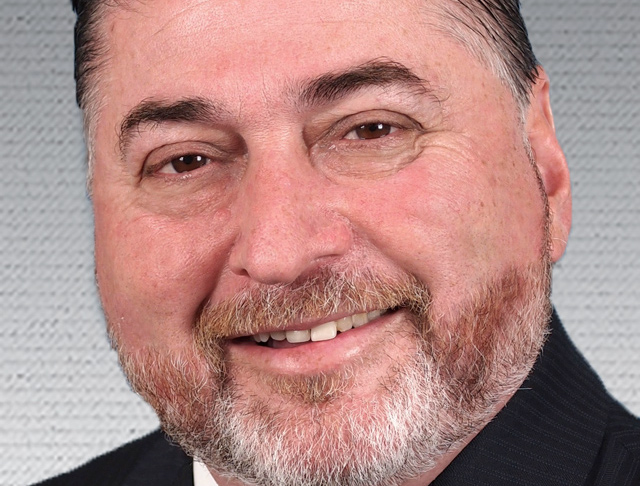
 The Segal Group is a benefits and human resources consulting firm with nearly 1,000 employees headquartered in New York City. The Segal Group is privately held and employee owned, providing benefits and human resources consulting for multiemployer funds, public sector organizations and the private sector. The Segal Group, which includes Segal Consulting, Sibson Consulting, Segal Marco Advisors and Segal Select Insurance, celebrated its 75th Anniversary in 2014. ALM Intelligence's Matt Merker, a Senior Analyst with ALM Intelligence, sat down with Ed Kaplan, Senior Vice President, National Health Practice Leader with The Segal Group, to discuss the firm's services, the market and the future of the industry.
ALM Intelligence: Can you tell us a bit about Segal's Health & Welfare Benefits services?
Kaplan: Segal serves as a trusted advisor to our clients in helping them find solutions in today's challenging health care benefits environment. Our team consists of actuaries, benefits consultants, insurance experts, claims auditors, physicians and nurses, pharmacists and managed care experts who have extensive experience across many different markets, addressing unique health and welfare benefits challenges. We have pioneered many innovations in health benefit design, purchasing, cost management and communications.
ALM Intelligence: How has wellness and wellbeing evolved over recent years?
Kaplan: Wellness programs have evolved on a number of fronts in the last decade. Plan sponsors have invested in a multifaceted approach that expand the use of incentives that are tied to participation (e.g. reaching minimum steps per day or getting annual biometric screenings and providing access through multiple formats such as email, phone and mobile apps. Meanwhile, advancements in technology and outreach expertise have improved population targeting.
ALM Intelligence: Plan sponsors now spend more time monitoring results and engagement rates, while developing contracts that include performance guarantees and pay for performance fees. What do you see as the next major trend affecting this area of advisory?
Kaplan: Plan Sponsors' ability to control costs. This is being faced on two fronts: First, the growth in large claim events is a major issue. New cancer treatments, advances in gene therapy, and biological drugs that treat rare diseases have resulted in upward cost pressures on a growing number of plan sponsors. The sensitive nature of such treatments limits a plan's ability to use conventional cost containment strategies. There are steps that can address these issues with some degree of success. Two examples include early monitoring and the use of narrow specialty provider panels.
The second front is the growing prevalence of chronic disease among the workforce. Obesity, diabetes and hypertension rates continue to rise, and even rates of HIV in some regions. All of these diseases requires costly lifetime maintenance drug treatments. Plan sponsors need to take aggressive steps to improve health and rein in excessive prescription drug price increases.
ALM Intelligence: How does Segal help its clients prepare for these new trends?
Kaplan: Our service delivery model helps address these issues as it consists of plan design & management, vendor management, and individual health management. At the intersection of these three perspectives is data analytics. Using health cost data mining technology, we help clients identify the medical conditions and treatments driving cost and utilization trends, and how their population's health risk/health status changes over time.
© Arc, All Rights Reserved. Request academic re-use from www.copyright.com. All other uses, submit a request to TMSalesOperations@arc-network.com. For more information visit Asset & Logo Licensing.