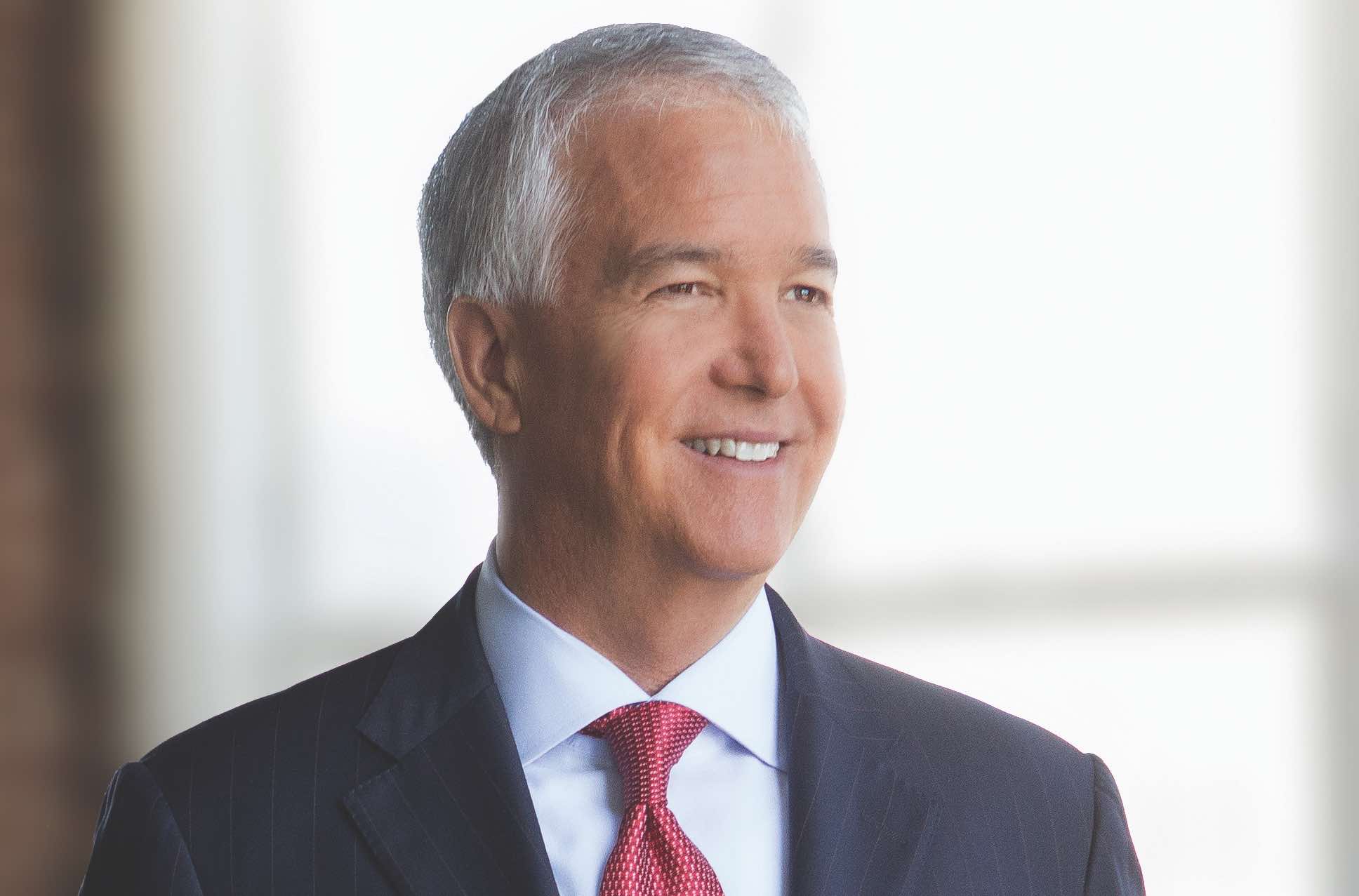
 In May, Deloitte announced the launch of Deloitte Pixel, a worldwide enterprise crowdsourcing offering. This capability enables Deloitte teams and clients to leverage external crowds to access specific, difficult-to-find expertise, collaborate to develop new products or ideas, and even design, build and test new digital assets. With a depth of experience and capabilities, Deloitte Pixel is a go-to source for crowdsourcing advisory and delivery services. Deloitte's methodology for crowdsourcing involves breaking large problems into smaller pieces—pixels—and inviting individuals to contribute in a way that is time-bound and skill-specific, resulting in faster, better, and often less-costly outcomes, says Jim Moffatt, Deloitte Global Consulting CEO. "Pixel has been a game-changing complement to our core consulting services," Moffatt says. Consulting caught up with Moffatt recently to discuss Pixel's impact and potential.
Consulting: Even though Pixel was just formally launched a few months back, I know Deloitte's been looking at crowdsourcing for a few year now, correct?
Moffatt: When we took a strategic look at our business four or five years ago, we made the decision that open talent models and crowdsourcing was really going to be a big part of our future. And it is and will continue to be. We started exploring crowdsourcing probably back in 2012, and we came at it more from an angle of thinking about our talent model and saw the potential disruption and wanted to understand it more. When we did that we saw a gap, so we decided to create a platform and validate different crowd players, aggregate them and deliver them to our clients. We wanted to hone it a bit more before we actually created our own platform. Now we have that in place so we launched it formally in May.
Consulting: Crowdsourcing is not a new concept, but turning crowdsourcing in actionable insights is. How did you go about making this a strategic part of the business?
Moffatt: I think the first thing we needed to do was define it. A lot of people think of crowdsourcing as simply having access to a temporary talent pool. We view it from a strategic standpoint: We aggregate and incorporate it into everything we do. It's incentive based, it's competitive and it's entirely based on outcomes. We started to experiment with different types of projects and different types of crowds. Some are better fits for different elements of a project. I'd say about 80 to 90 percent of the projects we do today use multiple crowd players. As we looked at this, what jumped out at us was the need for that platform. How do we actually pull together a program that leverages some of our core stuff but at the same time takes full advantage of the crowd, or different elements of crowds, for different aspects of the project? That's not where we started, but it's where we ended up. Right now it's an element of the work that we do with the clients, but I think there's an opportunity to expand it and open it up even more for clients to take more control.
Consulting: What types of client engagements are using Pixel?
Moffatt: It really goes across the spectrum. It started out more on the strategic end, but I think it's evolving more now to some of the technology projects. As the world matures, I think this will, as well. Some research predicts that 75 percent of high-performing enterprises will use crowdsourcing in some form by 2018, but I can predict a time where virtually every program we do will use some aspect of a crowd as part of the solution.
Consulting: What is Pixel's potential?
Moffatt: Right now, it's part of our innovation group. I would say that it's like analytics was several years ago where it started out as a separate thing but then became deeply embedded into almost everything we do. Over the next five or six years, I think we'll see it start out as service orientation and then evolve into industry verticals, which is exactly what we saw with analytics. This trend is accelerating and it's tied directly to the open-talent network and how we think about it. Talent is so integral to our business model. We look at this as an operating model evolution and imperative. We see this is as a critical aspect of what we do. As this market continues to mature and evolve, you'll see how firm's can leverage crowdsourcing increase. The work we're doing is helping to validate and legitimize them and we see them as a big part of the future. I'm really excited about it.
Consulting: Who is the crowd?
Moffatt: That's interesting. We started with large numbers of people and we started to curate the crowd. We started to get a better idea of what types of crowds were good for what types of projects. We sort of ended up creating an ecosystem of different types of crowds that play across different types of the value chain. A big part of what we can bring to the client is that validation of the crowd. And we pay for outcomes. The people in the crowd get paid. We're very clear about what that payment is up front, but you only get paid if you win. We'll put a problem out there and the crowd will self-select based on background and area of expertise. We pixelate it and then we leverage our curation to get to the right crowds. We then provide a programmatic element that essentially integrates it into a broader program. A lot of companies use crowdsourcing but they really have no idea how to integrate it into the overall program.
© Arc, All Rights Reserved. Request academic re-use from www.copyright.com. All other uses, submit a request to TMSalesOperations@arc-network.com. For more information visit Asset & Logo Licensing.