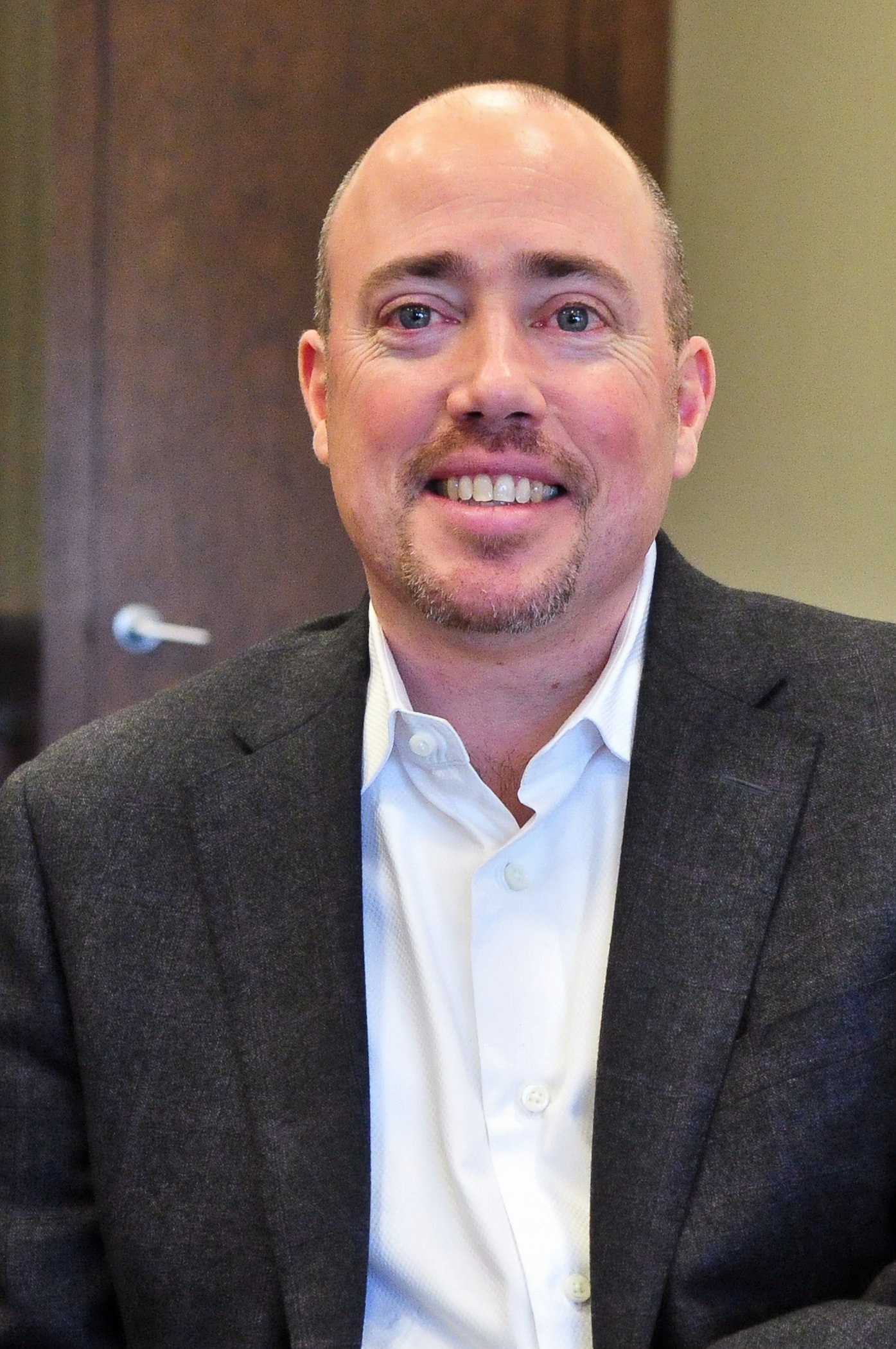
On September 29, Deloitte Consulting launched a brand new Social Impact Practice during UN General Assembly Week. The new offerings, the firm says, will help clients create business value while driving positive societal change. Deloitte's new practice works alongside clients in the private, public and social sectors to address pressing global problems that have both societal and bottom-line business impact, says Jerry O'Dwyer, principal, Deloitte Consulting LLP, and leader of the new Social Impact practice. Consulting recently caught up with O'Dwyer and Nate Wong, a manager with Deloitte Consulting's social impact practice to discuss the new practice and its potential impact, both internally at Deloitte and externally with clients.
Consulting: What was the reason for the launch of the Social Impact practice?
O'Dwyer: We saw a need in the marketplace for a consulting practice that would focus on issues that were multi-sector. Our observation is that many of the largest issues facing society at large, including the private sector, require cross-sector collaboration and the lines that have historically defined the sectors are blurring. Solutions require expertise from consulting professionals that have deep knowledge across several sectors and we have that across Deloitte, but we didn't have a centralized practice and we wanted to put Social Impact at the very center of this new practice. And to be clear this new practice is a business, for profit, to generate revenue. It's not a pro bono initiative; we launched this with market-based principles.
Consulting: Is this practice doing different types of work or is it formalizing the engagements that Deloitte has been doing?
O'Dwyer: I think the market has forced us to change. Nate and I have had a number of conversations with the UN and others where we're finding that having private sector capabilities and perspectives are valued and I'd say the market has gotten much more sophisticated about what they're expecting. So, we're operating much differently. Left to our own devices, we would've siloed each of these disciplines, but we're underplaying our hand. We weren't necessarily getting the recognition in the marketplace for having this cross-functional expertise. At Deloitte, we're often our own best-kept secret, and I think we have a voice and a perspective that should be heard. We should lead. That's something we haven't always done. In the past, we were very comfortable letting our clients lead.
Consulting: From a logistical perspective, does this practice have dedicated resources or are you bringing talent in from other areas?
O'Dwyer: It's a hybrid. We have our own dedicated staff from the manager level and above—so it's very consistent with how we operate our other businesses. We have a dedicated staff right now of 60 or 70 people at the very senior levels and then we pull in people from our general manager program.
Consulting: I know research went into this decision. Can you share a bit from the "Driving Corporate Growth Through Social Impact" report?
Wong: We examined the social impact practices across the 2014 Fortune 500 Global public companies and we found a couple of interesting market trends. The first one is: corporate social responsibility is now main stream. If your company is not thinking about it, you are in the minority. Nine out of every 10 of the Fortune 500 companies invest in corporate social impact in some way, shape or form. That was pretty surprising. The second trend is that over time we have seen a transition to a more integrated social impact model. This is very much talked about as "creating shared value." The third trend we found was the fact that everyone approaches social impact in a very nuanced way.
Consulting: It seems to me to be a vast landscape. How do you define social community impact?
O'Dwyer: We are organized around nine key areas: Education; Global Health; Social Entrepreneurship & Scaling; Emerging Market Entry Strategy; Economic Development; Sustainable Supply Chain; Food Security & Agriculture; Water, Energy & the Environment; and Philanthropy & Investing. Unlike other parts of the business we take much more of an issues-oriented approach rather than a functional one. That's getting a lot of attention with clients in the marketplace.
Consulting: What revenue goals do you have?
O'Dwyer: This is just getting started. This should be a nine-figure business in the next four years.
Consulting: How do you get there?
O'Dwyer: For now, we're going to focus on only a couple of industry sectors—Consumer Products, Healthcare Life Sciences, Higher Education and a pretty significant donor business, as well. That's where we're seeing the most disruption. There are also quite a few companies we're developing relationships with based on the defined mission of doing good. Some of those companies are going to grow significantly, they are going to catch a wave and we can catch it too. If that happens, it's not that hard to get to that nine-figure number I mentioned.
© Arc, All Rights Reserved. Request academic re-use from www.copyright.com. All other uses, submit a request to TMSalesOperations@arc-network.com. For more information visit Asset & Logo Licensing.